
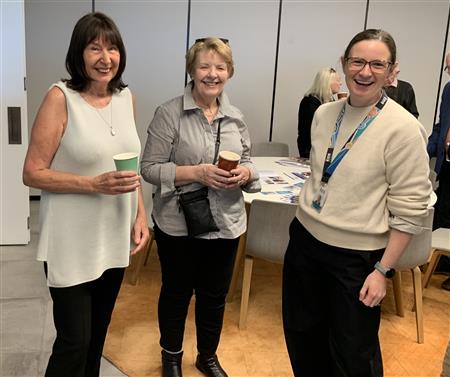
Today, 13 August, we had a follow-up Vocational Visit to The Kids Institute which is housed in the QEII Children’s Hospital. Following a welcome by Aleisha Benzie, Head of Development at the Institute, we were given a summary of the work of three of the Research Teams: Associate Professor Hannah Moore spoke about the work being done on Infectious Diseases. Hannah is an Epidemiologist and has been a researcher at the TKI for 23 years. The work of her team has focused on the prevention or reduction of RSV in young babies – in particular reducing hospital admissions. Vaccine trials are now directed towards administering them to the mothers rather than the babies. A vaccine has also been developed for Senior Citizens.
Debbie Palmer described the work of her team in the field of Allergies through Early Life Nutrition and Diet programs. The allergies would include food allergies, animal allergies, hay fever and so on. Debbie is a dietician, and her work is directed towards prevention. She said that, 25 Years ago, very little data existed but a considerable database has now been developed. Work has concentrated on early exposure, 6 months of age and older. Time sequences and comparisons are now available, and it has been concluded that considerable success has been achieved. Current research is being done on exposure of expectant mothers to the vaccine.
Dr Annabelle Short, Head of Brain Cancer Research, spoke about her team’s work on brain cancer in young children. It has been found that the young brain reacts very differently to that of an adult. To understand this, work has been done on early life development and to what extent early experiences influence the brain. She said that time sequencing is now becoming available allowing determination of the success of different treatment strategies. Chemotherapy has terrible side effects, and it is not known to what extent healthy growing cells are destroyed along with diseased cells. Trials are being conducted on implanting immune cells during brain surgery with the aim being to give better long-term outcomes and not only to improve survival.
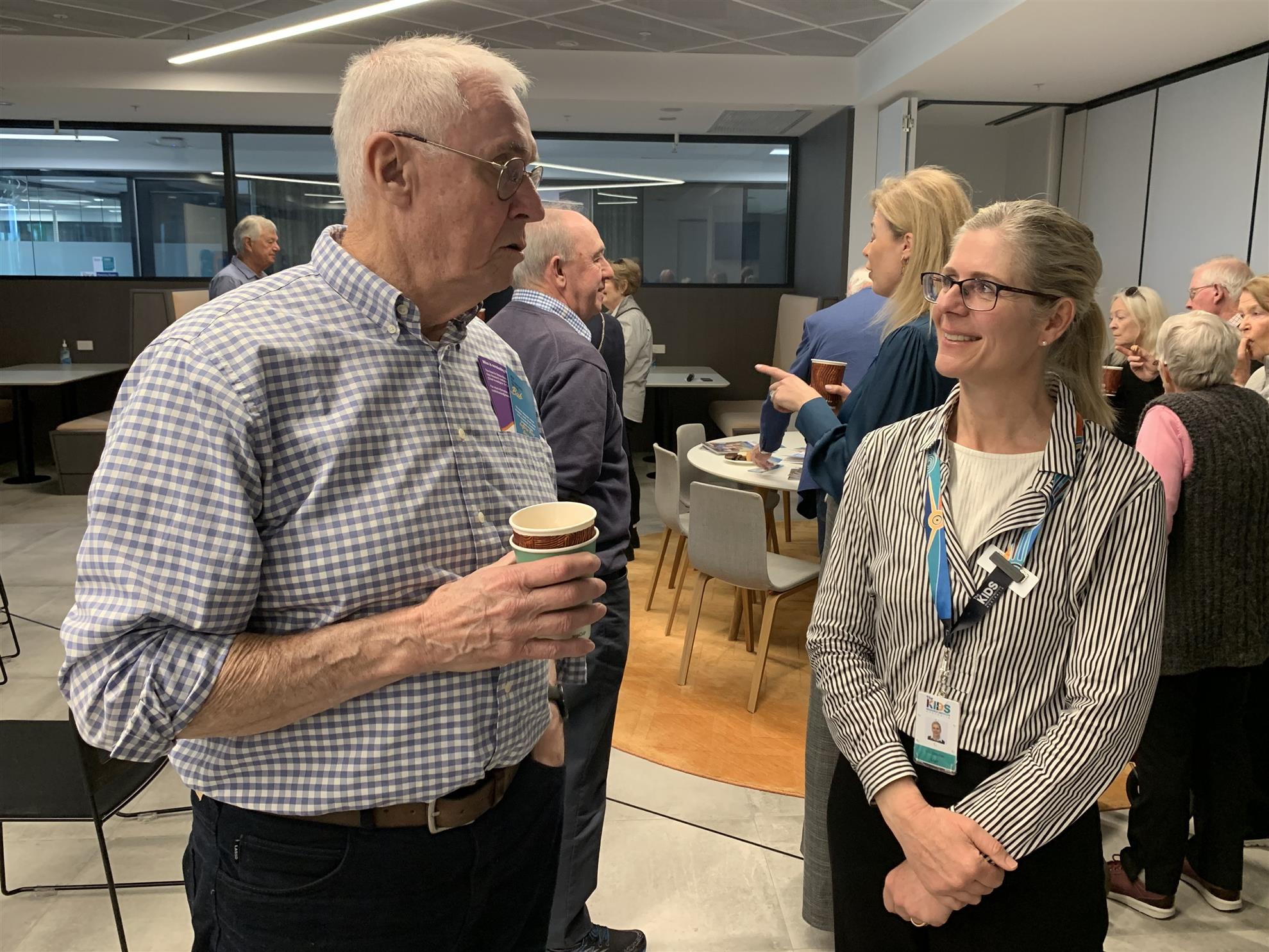
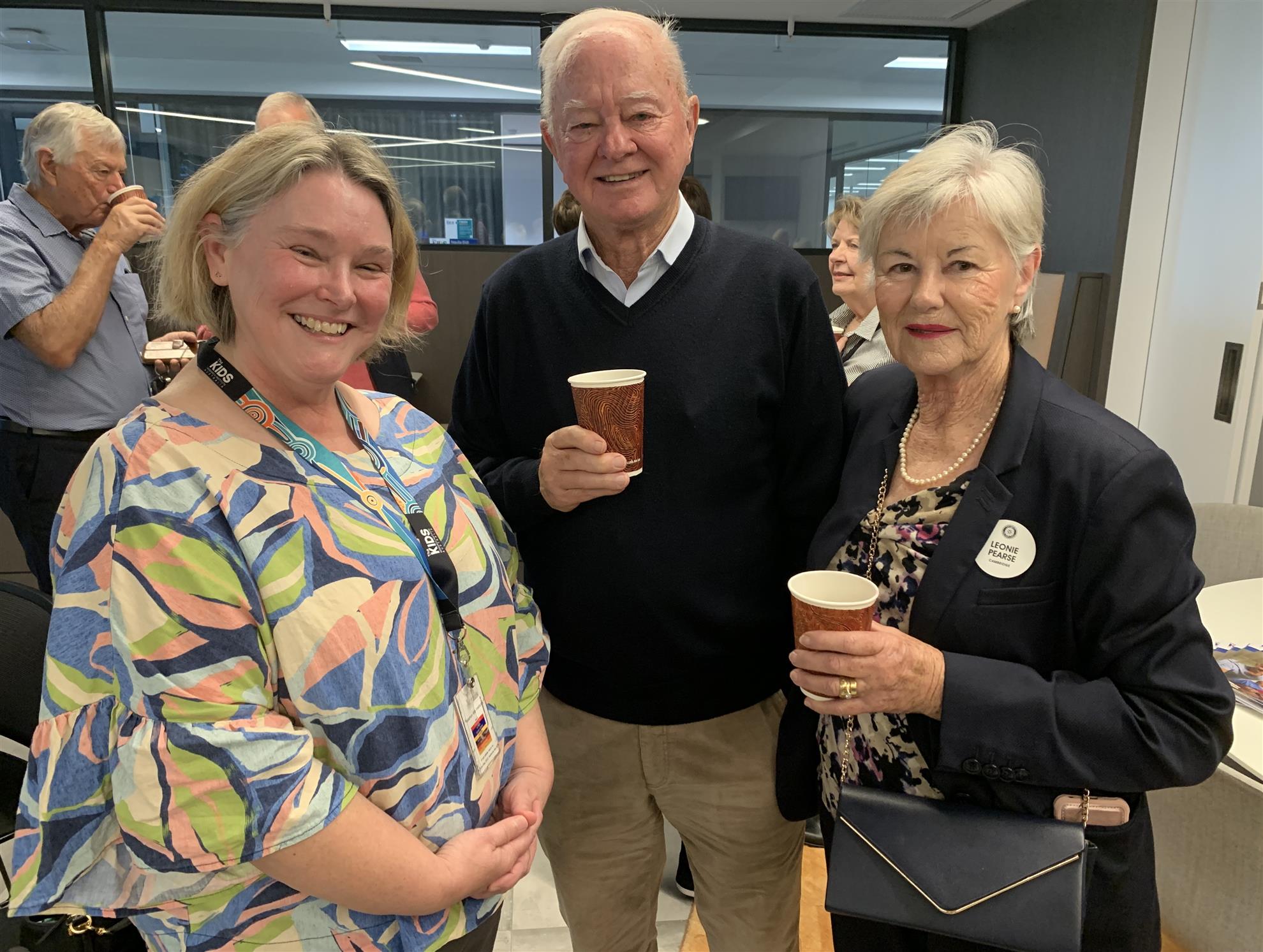 All members were very impressed with what they learnt about the work of TKI.